A Lovely, Everyday Embroidery Design for School Spirit
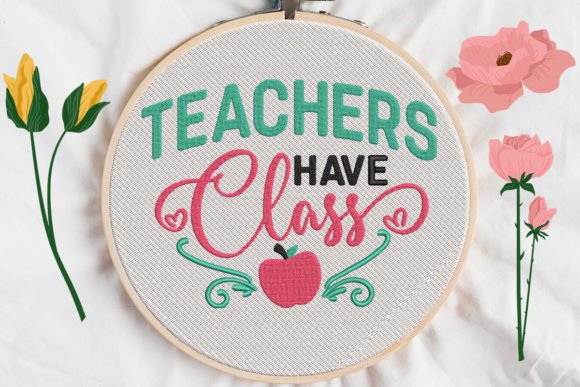
When an embroidery file like "Teachers Have Class" lands in my library, I immediately start picturing it stitched out. I'm not just looking at the screen; I'm thinking about thread choices, fabric textures, and where this design would feel most at home. This isn't about abstract aesthetics; it's about practical, stitchable charm.
First Impressions: Warm, Clear, and Universally Friendly
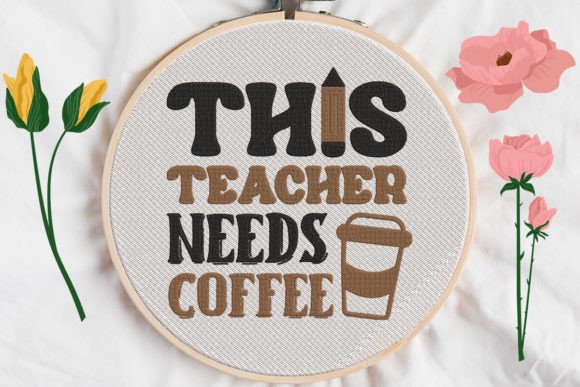
The mood here is warm appreciation. It’s not overly sentimental or cartoonish, which is a significant plus. The layout feels balanced, with a clear focal point that reads well from a distance—a crucial factor for apparel and home decor. The detail level appears thoughtful; it looks like it uses a mix of satin stitch for definition and fill stitch for solid areas, which should translate to a clean, durable finish on the hoop. This visual personality is friendly and professional, exactly the tone you want for gifts or merchandise celebrating educators.
Where "Teachers Have Class" Naturally Belongs
Let’s walk through a real scenario. I’m preparing a custom order for a client who wants a unique thank-you gift for a retiring teacher. A high-quality tote bag is the perfect canvas. This design, with its clear message and appealing composition, would be the centerpiece. Stitched in a classic navy or burgundy thread on a natural canvas bag, it becomes a timeless, usable piece of art. The design’s scale feels right for a medium to large hoop, making it a statement piece without overwhelming the bag’s surface.
Beyond totes, it naturally fits a spectrum of projects. Imagine it on the left chest of a soft cotton sweatshirt—a go-to for teacher appreciation weeks. As a framed wall art piece in a classroom or home office, it offers warm decor. It would be lovely on a tea towel for a teacher’s kitchen, or as a decorative accent on a pillow cover for a reading nook. For small businesses and Etsy sellers, this design is a versatile asset for creating boutique products like aprons, blanket patches, or personalized nursery decor for teacher families.
Performance on Real Products: A Practical Rundown
On custom apparel, like t-shirts, I’d recommend a good stabilizer due to the likely fill stitch areas. On a baby item or lightweight fabric, the stitch density needs to be considered to prevent puckering—always test on scrap first. For a cap, the curved surface demands attention; the design’s shape seems adaptable if hooped carefully. As an embroidered patch, it would have excellent recognition value, easily applied to bags or jackets.
For holiday gifts or wedding gifts for teacher couples, this design adds a personalized touch that feels specific yet elegant. In a craft fair setting, products featuring this design would engage buyers quickly because the theme is instantly understandable and emotionally positive. For digital product sellers, it’s a strong design asset for creating printable mockups that showcase the finished product's potential.
Caution Areas: Where to Use with Care
While versatile, some applications require extra planning. If the design has very small lettering or intricate details, I’d avoid tiny hoop sizes where those details might lose clarity. Textured fabrics like thick sweaters could obscure the clean lines. On stretchy fabric, stabilizer choice is paramount. For dark fabric backgrounds, thread color contrast is everything—you might need to shift from dark to bright thread palettes to maintain the same warm mood.
Layered garments with pockets or seams need careful hooping placement. The design seems to have corners and details that should stitch out cleanly, but on thin fabrics like silks, the stitch density could be a concern. For products destined for frequent washing, like kitchen towels or baby clothes, a robust stitch construction is key—testing on similar fabric and washing the test piece is a non-negotiable step.
How This Design Impacts Your Project Value
Using a design with this clear appeal directly boosts your product’s visual appeal. Stitching clarity translates to customer trust; a well-executed, clean embroidery shows craftsmanship. For handmade presentation, it elevates the item from a simple craft to a thoughtful gift. For a small shop brand, consistently using well-composed designs like this builds brand consistency. Its giftability is high—it’s a design people want to give and receive.
For commercial embroidery projects, such as bulk orders for a school district, the professional and universally positive message makes it a safe, appreciated choice. Ultimately, it drives buyer engagement because it communicates a complete, relatable idea at a glance.
Practical Notes from the Hoop
Before you run this machine embroidery design for a real project, here’s my workflow advice. Always test it on scrap fabric first, matching the final project’s texture and weight. Check thread color contrast against both light and dark backgrounds; sometimes a design feels different on black versus white fabric. Review the stitch density in your software preview—are there overly dense areas that might need adjustment for delicate fabrics?
Confirm the hoop size required. Inspect the small details in a test stitch—are the corners sharp and the lettering legible? It’s also wise to test the design in simple black and white mockups to judge its form without color influence. Use the proper stabilizer for your chosen fabric; this is the foundation of a clean finish.
Finally, a crucial step for craft businesses and Etsy sellers: check whether the design’s licensing permits use for finished products you intend to sell. Always confirm the license before selling handmade items or commercial embroidery projects. The product description notes it’s for various projects, but the specifics matter for your business.
"Teachers Have Class" is a lovely embroidery design that offers reliable, warm utility. It’s the kind of file that sits ready in your library, confidently waiting for the next project that calls for a touch of genuine appreciation. It reminds us that good design isn’t just about graphics; it’s about the story it tells through the stitches.