Booktrovert Embroidery Design: A Designer’s Apparel Review
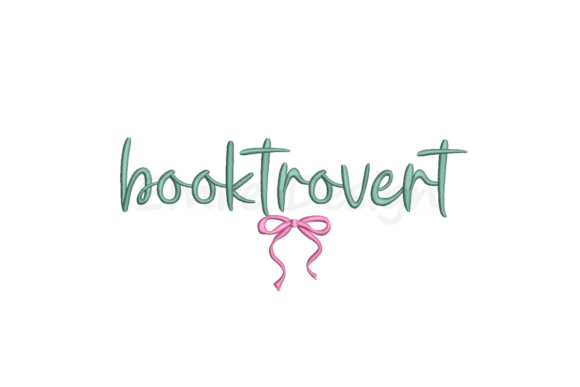
When I first opened the Booktrovert machine embroidery design on Creative Fabrica, I immediately pictured it on a cozy oatmeal sweatshirt. The personality is apparent from the stitching preview — it’s the kind of whimsical, slightly bookish charm that feels right at home in boutique apparel collections. As an embroidery designer planning a small sweatshirt launch for an online shop, I’m always hunting for designs that feel both current and enduring. Booktrovert sits in that sweet spot. It’s cute without being childish, playful yet calm enough to wear every day. The phrase itself — a blend of “book” and “introvert” — already tells a story, and the visual mood leans into a cozy, quiet aesthetic that resonates with readers, coffee lovers, and anyone who appreciates a gentle, homebody vibe.
This School-themed Creative Fabrica embroidery design reads as a small, self-contained motif. From the product preview, the detailing appears intentional, with enough open space to breathe on fabric, yet enough character to hold its own. I wouldn’t call it overly intricate or dense; it feels approachable for a range of apparel textures. The decorative strength lies in its ability to add a personal touch without overwhelming the garment. That’s a valuable quality when you’re building a boutique brand where stitch consistency and visual restraint matter.
First Impressions: Whimsy Meets Cozy Appeal
Right away, Booktrovert gives off a relaxed, storybook energy. The lines and shapes feel soft, almost as if they were hand-drawn with thread. It’s the kind of design that would look equally at home on a pastel hoodie as it would on a vintage-washed denim jacket. The mood is not bold or sporty; it’s feminine-leaning, timeless, and slightly rustic. I can see it pairing beautifully with neutral earth tones — cream, warm gray, sage green, dusty rose — or even on a heathered charcoal base for contrast. The name alone suggests a quiet, introspective personality, and the stitching reinforces that with a gentle, unassuming charm.
For a custom apparel line, that kind of emotional resonance is gold. Buyers connect with designs that feel like a little inside joke or a reflection of their own identity. Booktrovert speaks directly to the quiet book lover, the cozy sweater collector, the person who would rather stay in and read. That’s a strong, identifiable niche.
Booktrovert on Sweatshirts: The Cozy Collection Possibility
Imagine a small capsule of boutique sweatshirts — maybe three colorways: a soft heather oatmeal, a muted blush, and a deep olive. The Booktrovert design placed on the left chest, stitched in a warm cream or charcoal thread. That’s an instant, cohesive collection. The design’s scale feels appropriate for a chest placement without overwhelming the wearer. I’ve seen too many designs that are either too large for that spot or so tiny they lose legibility. This one appears to hit a sweet middle. On an oversized hoodie, you could even scale it slightly larger for a back placement or center-front statement.
For sweatshirt embroidery specifically, fleece-backed fabrics can be tricky. The nap of the fleece can swallow fine details if the stitch density isn’t right. That’s why I always test on a similar fabric scrap first. Based on the preview, Booktrovert seems to have open, separated sections that should hold up well on medium-weight fleece if you use a topper and a quality cut-away stabilizer. I’d also consider using a slightly heavier thread — something like a 40wt polyester — to keep the lines crisp on plush surfaces.
Placement Ideas for Boutique Apparel
I always map out at least three or four placement options before committing to a production run. Here’s how I’d consider Booktrovert across different garments:
- Hoodie chest placement: Classic and easiest to sell. The design sits just over the heart, small enough to be subtle but large enough to be noticed.
- Sleeve accent on a raglan tee: A tiny, stitched Booktrovert on the sleeve adds a special detail that elevates a basic shirt into a boutique piece.
- Back design on a zip-up hoodie: Centered between the shoulder blades, it becomes a focal point from behind — perfect for a cozy streetwear vibe.
- Tote bag embroidery: A larger version on a canvas tote turns the design into a functional, lifestyle accessory. Great for gift bundles or bookish markets.
- Printable mockup integration: Even if you’re not stitching immediately, the design can be used in digital product photos to gauge customer interest before producing physical stock.
Each placement has its own set of considerations — hoop size, stabilizer type, fabric stretch. I’ll address those in the practical notes later. But the takeaway is that Booktrovert is versatile enough to move around a garment without losing its identity.
Design Challenges: What to Watch Out For
No design is flawless on every fabric. With Booktrovert, I’d pay close attention to the tiny lettering if the word “Booktrovert” is part of the stitchout. Small text on stretchy knit fabrics can pucker or lose legibility if the stabilizer isn’t right. I’d also examine the stitch density in the more detailed areas. On a ribbed cuff or a curved surface like a sleeve, densely packed stitches can pull the fabric and create an uneven look. Testing on a scrap of the exact garment fabric is non-negotiable.
If you’re planning to stitch on dark garments, thread color choice becomes critical. A light thread on a dark background will pop, but any small gaps in the design will be more visible. I’d recommend a color that contrasts well but isn’t too stark — maybe a soft gold, a muted ivory, or a warm taupe instead of pure white. That keeps the design looking intentional and premium. On light pastels, a slightly darker thread adds depth without feeling heavy.
I’d also be cautious around stretchy fabric like ribbed knits. The design appears to have some solid sections that could resist distortion if the fabric stretches. A fusible mesh stabilizer is your friend here. And if you’re working with terry or toweling fabric for a tote bag, be prepared to use a water-soluble topper to keep the stitches from sinking into the loops.
How Booktrovert Can Elevate Your Brand
Let’s talk about perceived value. A well-chosen embroidery design doesn’t just decorate a garment; it tells a story. Booktrovert instantly positions your apparel as a thoughtful, personality-driven product. It’s the kind of design that can become a signature piece for a small shop — something customers recognize and associate with your brand’s cozy, welcoming aesthetic.
For Etsy sellers, the Booktrovert design can support a strong narrative in product listings. Mentions of “book lover,” “introvert aesthetic,” “cozy bookworm sweatshirt” all tie into searchable, emotionally charged keywords. The design helps build buyer trust because it feels specific and curated, not generic. When customers see a cohesive, well-executed embroidery design, they’re more likely to trust the quality of the entire garment, which can lead to repeat purchases and positive reviews.
Visually, Booktrovert can enhance professional presentation across your shop. In flat lay photos, styled mockups, or social media graphics, the design’s whimsical charm adds instant visual interest. It’s a design that photographs well, especially on textured backgrounds like a chunky knit blanket or a stack of books. That kind of lifestyle product photography is what drives engagement and sales on platforms like Instagram and Pinterest.
Practical Embroidery Designer Notes
Before I stitch Booktrovert on any garment intended for sale, I run through a mental checklist. Here’s what I’d recommend for anyone using this Creative Fabrica embroidery file:
- Test on scrap fabric: Use the same fabric, weight, and color you plan to sell. Don’t rely on a stray piece of cotton if the final garment is a fleece pullover.
- Stabilizer choice: For most sweatshirt applications, a medium-weight cut-away stabilizer works best. For stretchy or lightweight knits, add a fusible backing to prevent shifting.
- Thread color contrast: Stitch a small sample in your chosen thread. Look at it under different lighting — natural daylight, indoor warm light — to make sure the design still reads clearly.
- Hoop size confirmation: Check the product details on Creative Fabrica for the exact design dimensions. Ensure your hoop can accommodate the full design with enough clearance, especially if you’re floating the fabric.
- Stitch density review: If the design feels too dense on your test run, you may need to adjust tension or thread weight. Too dense and it can feel stiff; too sparse and the design loses its charm.
- Placement experimentation: Use a paper printout or a digital mockup to test placement on a physical garment. Mark the center point with chalk or a water-soluble pen before hooping.
- Check Creative Fabrica product details and licensing: The description says “Spruce up your fabrics with this charming embroidery design,” but it doesn’t list file formats, hoop size, or stitch count. Always log into your Creative Fabrica account and review the full product page for technical specs and commercial use terms before you stitch on items you plan to sell.
I can’t stress that last point enough. The product description we have is brief, and while the design visually makes sense for apparel, the technical details are what make or break a production run. If the file isn’t compatible with your machine, or if the design is too large for your hoop, you’ll need to know before you invest in blanks and thread. Always confirm the embroidery file format, the hoop size requirement, and the expected stitch count so you can estimate production time accurately.
From Screen to Stitch: Final Testing and Real-World Use
I envision a small batch of Booktrovert hoodies for a late autumn launch. The plan: a soft, unisex pullover in heather gray, embroidered with a mustard yellow thread on the left chest. I’d test the design on a fleece sample first, using a cut-away stabilizer and a lightweight water-soluble topper. Once I’m satisfied with the stitch quality, I’d run a set of five, photograph them in a cozy reading nook with a stack of books and a mug of tea, and list them on Etsy with thoughtful copy that leans into the introvert bookworm aesthetic.
That’s the kind of real-world scenario where Booktrovert shines. It’s not just a decoration; it’s a mood piece. For anyone building a boutique brand around cozy, literary, or whimsical themes, this design is a strong candidate. It can work on a t-shirt for warmer months, a denim jacket for a layering piece, or a tote bag for the book fair crowd. The versatility across product types makes it a smart addition to a commercial embroidery product library.
As always, the final stitch quality depends on how well you prepare. Test, adjust, and test again. The Booktrovert design has the personality to become a bestseller in the right hands — just make sure those hands are diligent about the prep work. A charming, whimsical motif can elevate a simple garment into something that feels truly special, and that’s exactly what I look for when I’m curating designs for my own apparel line.