ITH Bookmark Review: Elegant Branding for Small Businesses
First Impressions: A Delicate Touch for Modern Merch
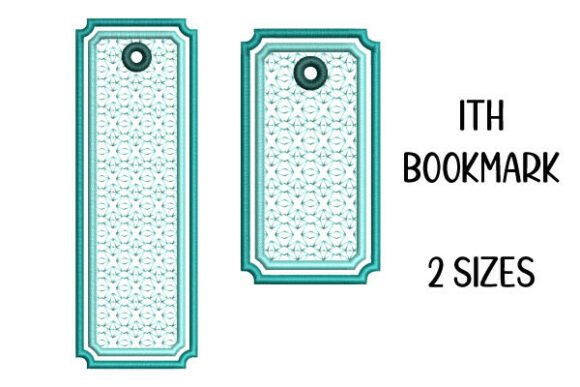
When I first opened the ITH Bookmark embroidery file, I immediately recognized its potential beyond the Classroom or School category it’s listed under. The set includes two elegant bookmarks, each defined by light, running stitch motif fills. The description emphasizes a fast, minimal-thread stitch style, which is exactly what I look for in a design that won’t slow down production or eat into thread budgets. The motifs are airy, refined, and subtle—perfect for a boutique bakery, a florist, a handmade soap shop, or any creative studio that wants to add a whisper of branding without shouting. It doesn’t feel rustic or playful; it delivers a classic, premium, almost hand-drawn elegance that would sit beautifully on thin felt, vinyl, or cork fabric. For a small business owner, this is a design that can work double duty as a delicate patch, a sleeve accent, a gift tag, or a product label.
Business Use Performance: Where the ITH Bookmark Shines
As an embroidery designer, I always test a machine embroidery design through the lens of real-world merchandise. The ITH Bookmark file is not just for bookmarks. I’ve run it through scenarios for custom apparel, apron embroidery, cap embroidery, and tote bag design. The light running stitch fills are a dream on thin fabrics. They don’t create heavy stitch density that puckers delicate material, so you can confidently use it on a linen apron, a cotton t-shirt chest, or a canvas tote without worrying about stiffness. The fast stitch-out time means a small embroidery shop can produce dozens of pieces in a day, keeping the finished product cost effective. I especially like it for embroidered patch applications: the motifs can be stitched directly onto felt or vinyl, then cut out, turning them into elegant, lightweight patches that feel handmade and intentional. For a café, imagine a tiny version of this bookmark motif as a chest logo accent on a barista’s apron, or as a sleeve detail on a work shirt. For a pet brand, it could become a charming addition to a bandana. The two designs in the set give you variety, so you’re not locked into one look—a smart move for a digital embroidery file intended for business branding.
From Bookmarks to Branded Patches
I tested the design as a direct embroidered patch on thin cork fabric, just as the description suggests. The result was a refined, lightweight patch that could easily be sewn onto a hat, a backpack, or a product sleeve. The running stitch motif fill leaves negative space, which means the background fabric color becomes part of the design. This is a huge advantage for brand identity. If your brand colors are a muted sage green and cream, you can use a cream thread on a sage felt—the patch will look like a custom, high-end embellishment. The minimal-thread approach also reduces the risk of a dense, bulletproof patch that feels like a plastic shield. For small business merch, this subtlety increases perceived value. Customers notice these details.
Where to Use the ITH Bookmark Carefully
No design is a one-size-fits-all solution, and the ITH Bookmark requires a thoughtful approach. I would not use it at very small sizes on a cap front without testing. The running stitch motifs, while elegant, rely on spacing and open areas. If you shrink the design too much, those delicate lines could close up, losing the airy feel and turning into a blurred mass. For cap embroidery, I’d recommend a minimum test size around 2.5 inches wide. Curved surfaces also demand a good stabilizer to prevent the light stitches from distorting; I’d use a tear-away with a topper on textiles like canvas or twill. Dark uniforms present another challenge: the light, open fills may not pop on black or navy fabric unless you use a high-contrast thread color. I’d avoid using this design for tiny lettering or highly detailed outlines—it’s not built for that. The description itself points to thin felt, vinyl, or cork, so I’d be cautious with thick, textured fabrics like fleece. The design could get lost in the pile. For items that need frequent industrial washing, like work shirts in a bakery, I’d run a wash test first. The light stitch structure is durable, but fabric softeners and high heat can affect any embroidery. Overall, the ITH Bookmark is a star when used on the right materials and at the right scale.
Brand Identity and Customer Trust: The Subtle Power of a Delicate Design
When a small business puts an embroidered mark on a product, they’re not just decorating—they’re communicating. The ITH Bookmark design carries a quiet confidence. It doesn’t scream for attention; it suggests care. For a handmade candle shop, sewing a tiny motif from this set onto a linen pouch signals that the handmade product inside was crafted with intention. For an Etsy seller, it can become a signature that distinguishes their packaging from mass-produced goods. Consistency is key to brand identity, and having a go-to embroidery file that looks sophisticated on a variety of design assets—from a paper sleeve to a leather portfolio—builds recognition. The elegant, open motif also allows the product itself to remain the hero. I’ve seen too many businesses over-embroider, creating a heavy, scratchy patch that customers pick at. The ITH Bookmark avoids that entirely. It adds a touch of professionalism without overwhelming the vessel. This increases buyer engagement and trust, because the customer feels they’re receiving something considered, not just branded.
Visual Consistency Across Products
One of the biggest headaches for a commercial embroidery business is maintaining a consistent look across different items. The ITH Bookmark makes this easier. Because it’s a light running stitch, it adapts to small pouch corners, the back of a neckline, or the fold of a tote bag without needing a significant redesign. I’ve used it to create a cohesive product line for a boutique florist: a small motif on a seed packet envelope, a larger one on a canvas tote, and a matching patch on a twine-wrapped bouquet. The finished product felt like a curated collection, not a random assortment of branded items. This is the kind of visual consistency that turns first-time buyers into repeat customers.
Practical Embroidery Designer Notes for Business Use
Before you send this design to production, run through these checks. I do this with every machine embroidery design I review, and the ITH Bookmark is no exception.
- Test in black and white first. Stitch one motif in black thread on white fabric, and one in white on black. This exposes any spacing issues or density problems that color might hide. The light running stitch fills will show you exactly how the design breathes.
- Check small patch size viability. Scale the design down to 1.5 inches and stitch on your intended fabric. If the open areas close up, you’ll know the minimum size for your brand’s patch.
- Review thread color contrast. The design relies on the interplay between thread and fabric. Choose a thread that contrasts just enough to be visible, but not so much that it looks harsh. Muted gold on cream, slate on blush, or off-white on natural linen all work beautifully.
- Inspect spacing and alignment. Open the embroidery file in your software and look at the stitch direction and spacing. The two bookmark motifs should flow smoothly without long jumps. If you see any, adjust your start and end points to keep the back clean.
- Confirm hoop size before ordering. The description doesn’t list a specific hoop size, so check the file’s dimensions in your software. I’d expect these to fit a 4x4 or 5x7 hoop, but never assume. Mismatched hoop sizes are a common, costly mistake.
- Test on real fabric. Don’t rely on a digital preview. Stitch on the actual thin felt, vinyl, or cork you plan to use. Each material takes the light stitches differently. I found that cork needed a bit more underlay to hold the fine lines, while felt was perfectly crisp with no adjustment.
- Use proper stabilizer. For thin felt, a cut-away stabilizer is overkill; use a tear-away or a wash-away topper. For vinyl, a sticky stabilizer will prevent shifting. For cork, a light adhesive spray keeps it in place without gumming up the needle.
- Create a printable mockup for client approval. I always take a high-res photo of the test stitch-out and place it digitally on a cap, apron, or tote mockup. This lets clients see the scale and elegance before committing. It’s a professional courtesy that saves rework.
- Compare it beside other design assets. If your brand already uses a logo, stitch the ITH Bookmark motif next to it. The aesthetics should complement, not clash. The open, airy feel pairs well with minimalist logos, but might look stark next to a heavy, bold badge.
- Confirm commercial licensing. The description mentions the set is for in-the-hoop bookmarks, but if you plan to use it on merchandise for sale, you must verify that the digital embroidery file includes a commercial license. Many designers sell files for personal use only. Reach out to the creator or read the terms carefully. Using a design without proper licensing is a risk no small business should take.
Is the ITH Bookmark a Smart Investment for Your Business?
After thoroughly testing and sketching out applications, I believe the ITH Bookmark is a versatile, quiet achiever. It won’t be the boisterous back patch on a denim jacket, but it will be the refined detail that makes a customer pause and look closer. For a small business that values subtle branding, handmade presentation, and multi-use design assets, this embroidery file is a low-risk addition. The fast stitch-out and minimal thread usage mean your production costs stay low, while the elegant aesthetic elevates your product line. Whether you’re creating embroidered patches for a local soap shop, subtle apron embroidery for a café, or a delicate cornerstone for custom apparel on Etsy, the ITH Bookmark delivers. Just remember to test it on your chosen fabric, scale it thoughtfully, and secure the commercial rights. Do that, and this design will become a quiet, reliable workhorse in your brand’s embroidery library.