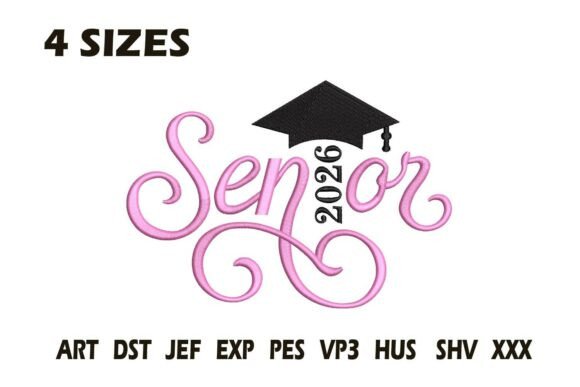
Senior 2026 Graduation Embroidery Design Review
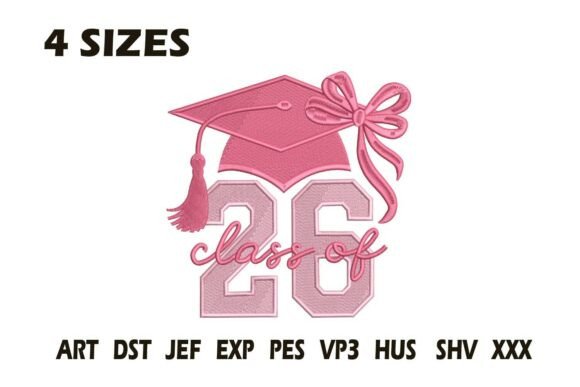
When I first loaded the Senior 2026 Graduation Embroidery Design into my machine embroidery software, I immediately pictured a bustling spring craft fair table. The description promises a playful, whimsical touch, and that's exactly the kind of energy that stops parents and grandparents in their tracks. It’s not overly formal or stuffy—it feels celebratory and handmade, which is gold for a boutique seller. The moment I saw the preview, I knew this machine embroidery design could anchor a whole collection of graduation-themed handmade product ideas.
Before I commit to production, I always run through a mental checklist: Will this embroidery file catch the eye from across a market aisle? Does it read clearly on fabric? Can I stitch it quickly enough to keep my booth stocked? The Senior 2026 Graduation Embroidery Design ticks a lot of those boxes. It’s charming without being childish, and the year “2026” gives it a timely, souvenir-like quality. That matters—a design that feels current and collectible moves faster than a generic graduation motif.
First Impressions from a Booth Builder’s Perspective
Opening the digital embroidery file, I noticed the layout has a nice balance. The “Senior” lettering and the year are likely to be the focal point, and that’s exactly what customers zoom in on. I can already see it stitched on a bright white tea towel embroidery piece, paired with a ribbon, or centered on a canvas tote. The playful vibe described in the product listing hints at a design that isn’t too dense or rigid—perfect for a craft fair product that needs to feel approachable and personal.
For a school-themed category, this design sidesteps the overly institutional look. It’s not a mascot or a formal crest; it’s a warm, almost scrapbook-style celebration. That broadens its appeal. A mom buying for her senior might want something to frame, but a crafter like me is thinking: This will look incredible on a soft, washed denim jacket or a zip pouch. The Senior 2026 Graduation Embroidery Design has that versatile, “I need to stitch this now” energy.
Where This Design Shines on Finished Products
I always test a design in my mind across the products I bring to weekend markets. Here’s where the Senior 2026 Graduation Embroidery Design would perform best, based on my experience as an Etsy seller and in-person vendor:
- Tote bag design: A midsize placement on the front pocket or center panel. The playful lettering pops against natural cotton canvas. I’d use a neutral thread for the main text and maybe add a single metallic accent thread for the year.
- Apron embroidery: A corner placement on a linen apron feels upscale. This works well for a “gift for grandma” angle—she can wear it to graduation parties and show off her senior.
- Tea towel embroidery: A crisp white flour sack towel with the design stitched near the bottom edge. Pair it with a wooden spoon and you have a $16–$20 impulse buy at a market.
- Embroidered patch: If the design includes a clean outer contour, I can stitch it on felt or heavy stabilizer, cut it out, and sell standalone patches. Teens love sticking these on backpacks, jackets, and graduation caps.
- Small fabric pouches: The playful nature of the Senior 2026 Graduation Embroidery Design fits a zip pouch for makeup or school supplies. A 5x7 hoop size would likely accommodate it beautifully.
- Pillow covers: A 16x16 cover with the design in one corner, perhaps with a few scattered stars or confetti motifs, becomes a keepsake throw pillow for the senior’s bedroom.
In every case, the design’s charm is in its simplicity. It doesn’t need a backdrop of heavy fill stitches to make an impact. That’s a huge plus when you’re producing multiples for a small shop product line.
Visual Appeal and Customer Attention at the Booth
At a crowded craft fair, your display has about three seconds to catch someone’s eye. The Senior 2026 Graduation Embroidery Design has a clear, readable silhouette. I’d hang a finished towel or a canvas tote at eye level, letting the design do the talking. Since it’s playful, I’d avoid pairing it with overly dark or busy fabrics. A light gray, soft cream, or pastel-dyed fabric would make the stitching stand out and reinforce the whimsical mood.
For online listings, this design photographs like a dream. Good contrast between the thread and fabric means sharp photos for an Etsy seller thumbnail. I’d shoot a flat lay with a tassel, a mini diploma, and some confetti—instantly conveying graduation joy. A printable mockup using this design can also be a design asset for sellers who offer custom colors digitally before stitching.
Production Smarts: What to Check Before You Stitch
Now, let’s get into the nitty-gritty of actually producing finished products with this embroidery file. I never run a single stitch on a customer-ready item until I’ve done a full test on scrap fabric. The playful description suggests the Senior 2026 Graduation Embroidery Design may have some fine details or small lettering—especially the “Senior” script and the “2026” numerals. I need to be sure those tiny elements don’t close up or lose clarity when stitched on textured surfaces.
Here’s my pre-production checklist for this design:
- Test on scrap fabric first: Use a medium-weight cotton similar to your final product. Check for any pulling or distortion around the year numbers.
- Check thread contrast: If the design has multiple colors, test on both light and dark fabrics. On a dark fabric, the playful feel might vanish if the thread blends too much. I’d keep the background light for maximum pop.
- Review spacing and small lettering: Tiny details like the “26” or any decorative dots could become muddled if stitch density is too high. I’ll slow my machine speed and consider a slightly larger hoop size if the design allows.
- Confirm hoop size: The product listing doesn’t specify exact dimensions, so I’ll measure the design in my software. I always keep a note card with the actual stitch area so I can match it to my hoop size inventory. For a design this impactful, a 4x4 might be too snug; a 5x7 or larger is likely safer.
- Inspect stitch density: Playful designs sometimes hide dense fill areas. I’ll run a stitch-out and check the back for overly thick sections. If there’s a dense block behind the letters, I might need a heavier stabilizer to prevent rippling.
- Use the right stabilizer: For towels, a no-show mesh stabilizer is my go-to. For a tote, a cut-away stabilizer ensures the design stays crisp through washings. For a patch, I’ll use a heavy water-soluble topping over felt.
- Create at least one real mockup: A stitched example beats any digital preview. I’ll make a tea towel version and bring it to my next market as a display piece. It shows customers exactly what they’re getting.
- Compare fabric colors: I’ll stitch on three different fabric swatches (white, oat, and a soft pastel) to see which one makes the Senior 2026 Graduation Embroidery Design look most vibrant.
- Confirm commercial licensing: The product description doesn’t mention license terms, so I’ll check the source to ensure I can sell finished items without restrictions. This is critical for any commercial embroidery use.
Careful-Use Notes for Flawless Results
Even a charming design has its sensitive spots. I’ve learned the hard way that certain fabric and design combinations can ruin a beautiful stitch-out. Here’s what I’ll watch for with the Senior 2026 Graduation Embroidery Design:
- Dense stitch areas: If the year is created with a satin stitch that’s too wide, it can snag on everyday items. I’ll check the pull compensation and maybe reduce the density by 10% in my software.
- Tiny details: Any accent marks, stars, or decorative elements must be at least 1mm wide to stitch cleanly. I’ll zoom in 200% and trace the smallest paths.
- Small lettering: The word “Senior” could have thin upstrokes. I’ll use a sharp needle (75/11) and a quality thread to avoid breaks. If the stitch type is a running stitch, I’ll double-check the underlay to prevent it from sinking into plush fabrics.
- Thick fabric and textured towels: A looped terry towel can swallow the playful details. I’ll float a piece of water-soluble topping on top to keep the letters crisp. On thick canvas, I’ll adjust the presser foot pressure to avoid skipped stitches.
- Curved cap surfaces: If I use this as a cap design, I’ll need to test the arc. The year “2026” might look distorted if the curvature isn’t perfect. I’ll stick to flat surfaces like bucket hats or flat-brim caps for a safer sell.
- Dark fabric: The design might rely on a light, airy look. A dark background could turn it into a heavy, less readable block. I’ll keep the fabric light unless I intentionally swap thread colors to white or pastel for a reverse effect.
- Loss of clarity at smaller sizes: If I shrink the design to fit a 4x4 hoop, the “2026” might become illegible. I’ll always test the smallest intended size on a scrap before offering a mini version in my shop.
How the Design Elevates Handmade Quality and Brand Consistency
As a small shop product, the Senior 2026 Graduation Embroidery Design ties directly into a story. When I sell a towel or a pouch featuring this design, I’m not just selling fabric; I’m selling a keepsake. This emotional connection increases the perceived value. I can price a set of two tea towels with this design higher than a plain towel, and customers won’t blink because the design feels intentional and heartfelt.
For my brand, I’ll build a “Graduation 2026” capsule collection. I’ll use the same thread palette across all items—soft navy, white, and a metallic gold—to create a cohesive booth display strength. When customers see the design repeated on a tote, a pillow, and a patch, they recognize the quality and are more likely to buy multiple items. That’s buyer engagement you can’t manufacture with a generic design.
Maximizing Sales as a Digital and Physical Product
I always think about the dual revenue streams: selling finished handmade product at markets and selling the digital embroidery file online. For the digital side, I can create a printable mockup showing the design in a framed hoop, on a tote bag, and as a patch. This helps other Etsy seller peers visualize the end result. I’ll include a clear note about the recommended hoop size and stabilizer type, saving them the trial and error I’ll do.
For the physical booth, I’ll batch stitch the Senior 2026 Graduation Embroidery Design over a few evenings. Because it’s playful and not overly complex, I can hoop multiple items in a row without constant thread changes. Fast production means I can keep my table fully stocked, which is essential for a high-traffic spring market. I’ll also offer on-the-spot personalization—adding a name or a short phrase in the same font—if I have a compatible alphabet embroidery file.
Final Thoughts from the Stitching Table
After a thorough evaluation, the Senior 2026 Graduation Embroidery Design earns a prime spot in my craft fair lineup. It’s the kind of machine embroidery design that makes a customer stop, smile, and immediately connect it to someone they love. It’s practical to produce, photographs beautifully, and has that timeless yet trendy “2026” appeal. I’ll be placing my first order for tea towels and canvas totes tonight, and I’m confident this design will be one of my top sellers come graduation season. Whether you’re a seasoned commercial embroidery pro or a creative entrepreneur just starting out, this design is a smart, market-ready choice.